

The Allure of Risk and Reward
The psychological appeal of gambling primarily stems from the thrill associated with risk-taking. When individuals place a bet, they often experience a rush of excitement, anticipating potential winnings. This feeling is amplified by the unpredictability of the outcomes, tapping into a primal instinct for seeking excitement. For many, the risk itself becomes a significant part of the appeal, as it fuels an adrenaline-fueled experience that is difficult to replicate in everyday life. You can discover the leading platforms by checking out all betting sites that cater specifically to varied preferences.
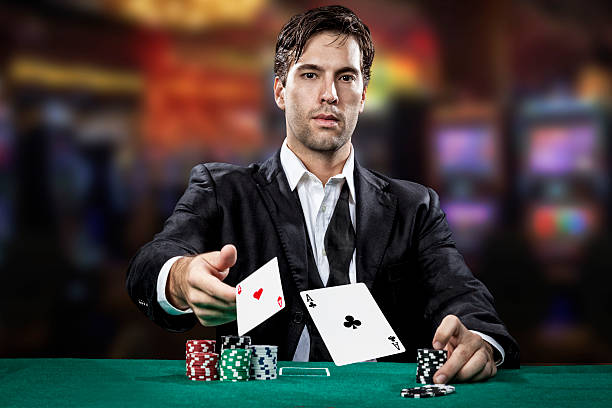
This allure can be likened to other high-risk activities, such as extreme sports or investing in volatile stocks. The dopamine released during gambling activates the brain's pleasure centers, creating a euphoric feeling that can be addictive. Notably, even the possibility of winning, rather than the actual outcome, can be a major motivator. Gamblers often find themselves caught in a cycle, driven by the highs of potential gains and the lows of losses.
Several psychological triggers contribute to the compulsion to gamble. One significant factor is the sense of control gamblers feel over their choices, often leading them to believe they can influence outcomes. This belief can distort reality, as luck plays a far more significant role than skill in most gambling scenarios. When individuals attribute their wins to skill, they are more likely to chase losses, creating a problematic gambling pattern that can lead to addiction.
Emotions also play a crucial role in the gambling experience. Many gamblers use it as a coping mechanism, seeking solace in the distraction it provides from daily life stressors. This emotional escape can be both a temporary relief and a gateway to deeper issues. For instance, individuals facing financial difficulties might turn to gambling in hopes of a turnaround, unaware of the potential for deeper financial and psychological ramifications.
Moreover, the social environment surrounding gambling can trigger emotional responses. In many cases, gambling is a communal activity, where the thrill is magnified by shared experiences. Social bonds created in casinos or betting shops can enhance the gambling experience, making it feel more exciting and enjoyable. However, this social aspect can also lead to peer pressure, encouraging individuals to gamble beyond their means, further complicating their relationship with gambling.
Cognitive biases significantly influence how gamblers perceive their experiences. For example, the "gambler's fallacy" is a common misconception where individuals believe that past outcomes can influence future results. Gamblers may think that a losing streak must eventually lead to a win, prompting them to wager more in hopes of reversing their luck. This illusion of control can be dangerous, leading to reckless behavior and significant financial loss.
Another bias, known as "confirmation bias," causes gamblers to focus on outcomes that support their beliefs while ignoring contradictory evidence. For instance, a gambler may remember their wins vividly but overlook their losses. This selective memory reinforces the idea that they are more skilled than they truly are, perpetuating a cycle of gambling despite negative consequences.
Furthermore, the design of gambling games often plays into these cognitive biases. Many games are structured to create a sense of achievement, even when players are losing overall. This can lead to a skewed perception of success and a heightened urge to continue playing. Understanding these cognitive traps is crucial for both gamblers and professionals seeking to address gambling-related issues, as awareness can help individuals make more informed choices.
The psychological effects of gambling can lead to addiction, a condition characterized by compulsive behavior that persists despite negative consequences. When individuals struggle to control their gambling habits, the emotional and financial toll can be devastating. Many gamblers do not recognize their behavior as problematic until they encounter significant personal and financial hardships. This denial often stems from the very psychological factors that make gambling appealing in the first place.
The transition from casual gambling to addiction is often gradual. Initially, individuals may view gambling as a form of entertainment, but as they chase wins or try to recover losses, the stakes can become dangerously high. The excitement that once drove them can turn into a desperate need, leading to a cycle of gambling that is difficult to break. Support systems, such as therapy and support groups, can provide crucial assistance, but recognizing the problem is the first step toward recovery.
Additionally, the role of modern technology complicates the landscape of gambling addiction. The accessibility of online gambling platforms has made it easier for individuals to gamble at any time and from anywhere, increasing the likelihood of impulsive bets. The constant availability can heighten psychological dependency, making it essential for individuals and their loved ones to remain vigilant about gambling behaviors. Treatment and education about these risks are vital for those affected by gambling addiction.

Our website serves as a comprehensive resource for understanding the psychological effects of gambling. We provide in-depth analyses of the psychological mechanisms that drive gambling behavior, helping individuals grasp the complexities of their gambling habits. Through our articles, we aim to educate and empower readers to make informed decisions, whether they are casual gamblers or facing more serious issues.
By offering insights into the psychological triggers, cognitive biases, and emotional factors involved in gambling, we create a supportive environment for those seeking help or wanting to learn more. Our commitment to providing well-researched content aims to foster a community where individuals can engage in thoughtful discussions about gambling and its implications.
Whether you are looking to understand the thrill of gambling, seeking guidance for yourself or a loved one, or simply wanting to learn more about this intriguing topic, our website is here to assist. Together, we can explore the psychological landscape of gambling and work towards healthier habits and informed choices.
```